Lookalike Bonanza
How Celebrity Lookalike Competitions Took Over the Internet
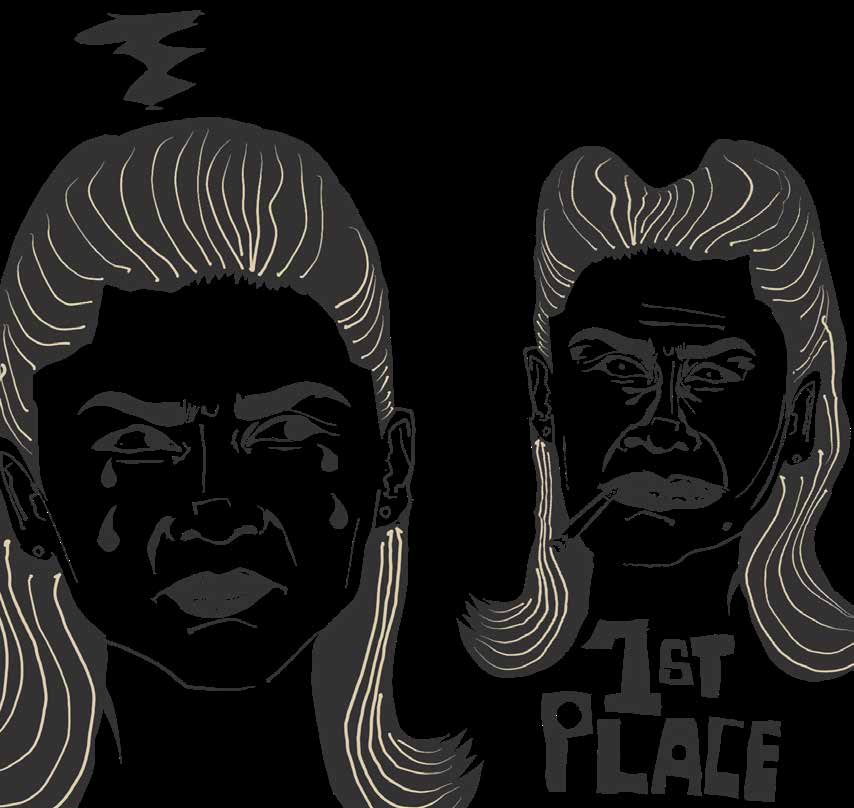
On October 27th, the first of many Celebrity Lookalike competitions occurred at Washington Square Park. After placing fliers all across New York City to advertise the event, the Timothée Chalamet Lookalike Competition was a massive hit, with thousands of people gathering at the event to see who looked the most like Hollywood’s rising star. The prize of a whopping $50 for the winner was more than enough to encourage many contestants to participate, of which there were quite a few. Hundreds of people came to cosplay as their favorite actor, with plenty of props to look the part.
Some took liberties of their own, cosplaying Chalamet in his various iconic roles, from the whimsical Willy Wonka to the intimidating Paul Atreides from Dune. In the end, there was one standout, and it was Miles Mitchell, a 21-year-old college student who, despite a lot of online discourse, eventually won the competition.
Mitchell, who is trying to start a career as an online influencer, gained a massive uptick in popularity and fame following his victory, serving as a stepping stone into the crazy world of online influencer chaos. What’s more interesting is how an elaborate joke turned into a massive trend, which often happens with many things on the internet.
The first official lookalike competition was hosted by a YouTuber named Anthony Po, who made the entire thing as a bet between him and a friend of his, who argued over how many people would show up to a Kai Cenat Lookalike Contest versus a Timothée Chalamet one. He put up two sets of fliers for each competition and organized both of them, but to his surprise, the Chalamet lookalikes stole the people’s hearts.
Initially gaining popularity on TikTok, with videos and photos going around of the initial fliers that were hung up, and then during the actual event. It wasn’t long before it quickly gained mainstream media coverage, with outlets like The Guardian, CNN and Variety all covering this wild cultural phenomenon.
What’s more, it spawned a new trend of lookalike competitions that slowly took over the internet. In the weeks following the virality of the first competition, there were lookalike competitions for Dev Patel and many, many more. In Anthony Po’s video “How I Started The Timothee Chalamet Lookalike Contest,” he denies affiliation with any of these new contests, which further cements the cultural impact that his original social experiment had on the internet.
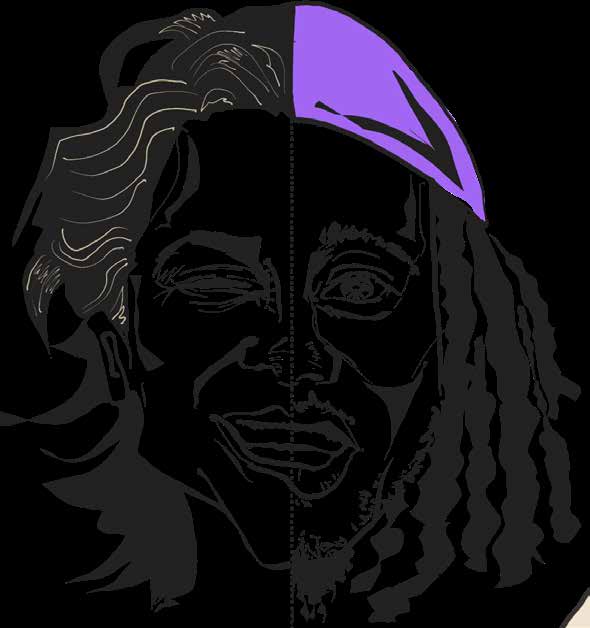
Lookalike competitions are nothing new, being hosted in the past by film studios or publicists as a marketing tactic, but what’s interesting about these is that they’re all organically produced, in a sense. Instead of being organized by a major organization, these are all set up by regular people who just want to socialize, make friends and have some fun. The main goal of these competitions isn’t to promote any specific agenda, but rather to act as a celebratory gathering of the people’s favorite, primarily male, actors.
For people who are into fandoms, this trend is a godsend, allowing them to gush over their favorite artists by bringing in a variety of people who look exactly like them. In some instances, the artists even show up to their lookalike contests. This occurred twice as of now, once during the original Timothée Chalamet Lookalike Contest, where Mr. Chalamet himself made a surprise appearance amongst the crowd and once again during a Paul Mescal Lookalike Contest in Dublin, Ireland, shortly after the red carpet premiere of his latest movie, Gladiator 2.
While practically harmless, these lookalike competitions have created a stir on the internet for the past month or so. As of now, the spectacle remains the same, with hype being placed around whatever new lookalike competition is upcoming and then the recording of the actual event by its contestants and “sightseers.”
For some, this could count as quite trivial, especially because most of the lookalike competitions that are hosted are usually for famous male actors. The exception to this rule was, of course, Zendaya, who had her lookalike contest on November 20th. One could make an argument about how a female celebrity lookalike contest simply wouldn’t be appropriate, or maybe it just requires a little more effort than it does for a male actor. After all, most men don’t usually require much of a hair or makeup routine to look the part.
Regardless, many attendees take these competitions as opportunities to mingle and possibly even come out with a new friend… or partner. In Anthony Po’s video documenting his contest, he held a brief “dating show” with some of the contestants. Throughout the video, you could even spot a variety of people holding posters up to try and get the attention of any bootleg Chalamets, hoping to score one of the second-rate heartthrobs for themselves.
While every other competition certainly wasn’t as big as the first, they still maintained the same charm and ingenuity, often awarding every winner a small cash prize, alongside an item or trinket that was associated with the celebrity they were impersonating. In the Jeremy Allen White competition, the winner was awarded a small trophy and a pack of Marlboro Reds, a reference to his character in The Bear.
So where do these competitions go from here? It’s quite hard to tell. Back in the 1910s till the 1930s, lookalike competitions were a very frequent form of social gathering and often used by large hiring agencies to find the right fit for a role, but now it serves more as a celebratory practice of some sort. It’s very common for someone to look like a celebrity, or they’re known amongst their friend group for looking like “that one famous guy from that movie.”
Some people use their likeness to their favor, usually in the form of impressions or characters online. One great example would @leaks._.world on TikTok, who is most known for his Miles Morales NPC livestreams, cosplaying as the character and saying a variety of iconic lines from movies or video games. His virality even gave him the chance to work with Kai Cenat, where he helped get subs going in one of Kai’s many streamathons.
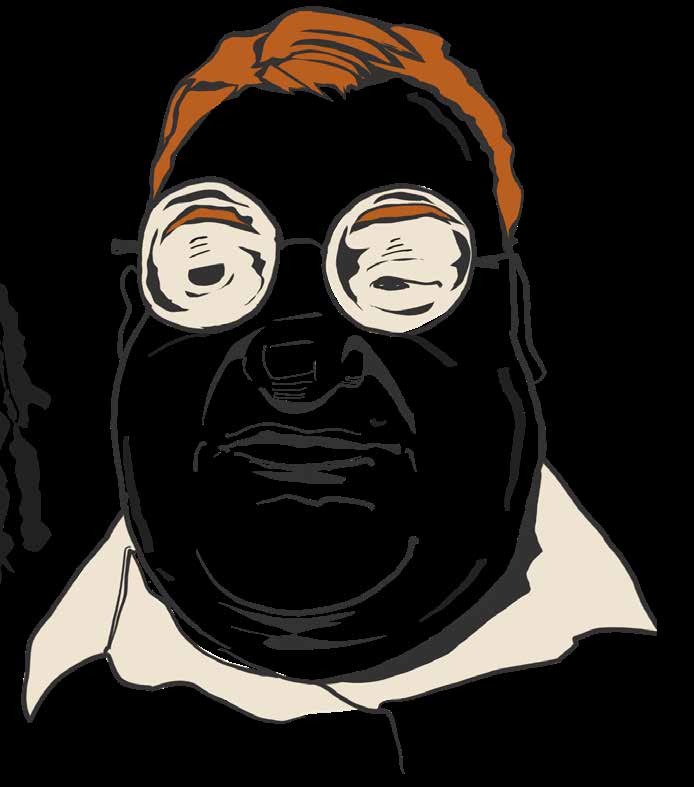
YouTube creator @TheRealLifePeterGriffin is another great example of someone who used their resemblance to grow a career, and his likeness is to a completely fictional character. With over 720,000 subscribers, Rob Franzese is a wonderful content creator who has been impersonating Peter Griffin for almost five years now, becoming a staple in the YouTube space.
In a world where practically anyone can get famous, being given the opportunity of fame through a one-off lookalike contest is a price worth paying for.
Whether it was for publicity or to make new friends, there’s no argument that these lookalike competitions all have one thing in common: they act as a uniting force on the internet. Attracting average Joes and crazy-obsessed fans alike, while also creating some buzz for the people to talk about. It’s amazing what people can do when they work together, and social media has made it all the easier for new trends to blow up and to host silly events such as this. In a world where practically anyone can get famous, being given the opportunity of fame through a one-off lookalike contest is a price worth paying for. So why not compete in the next one?