The Incel Pipeline: The Incel Industry
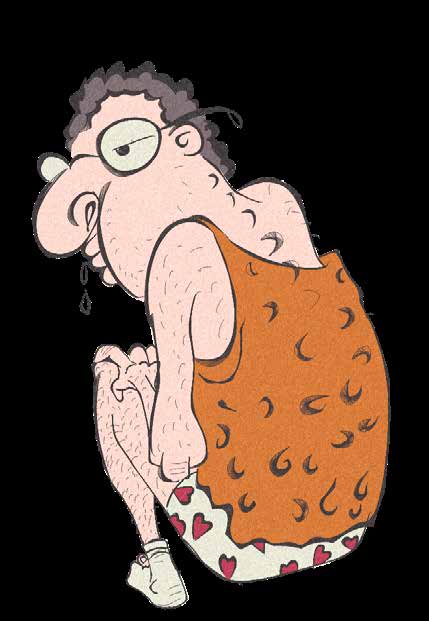
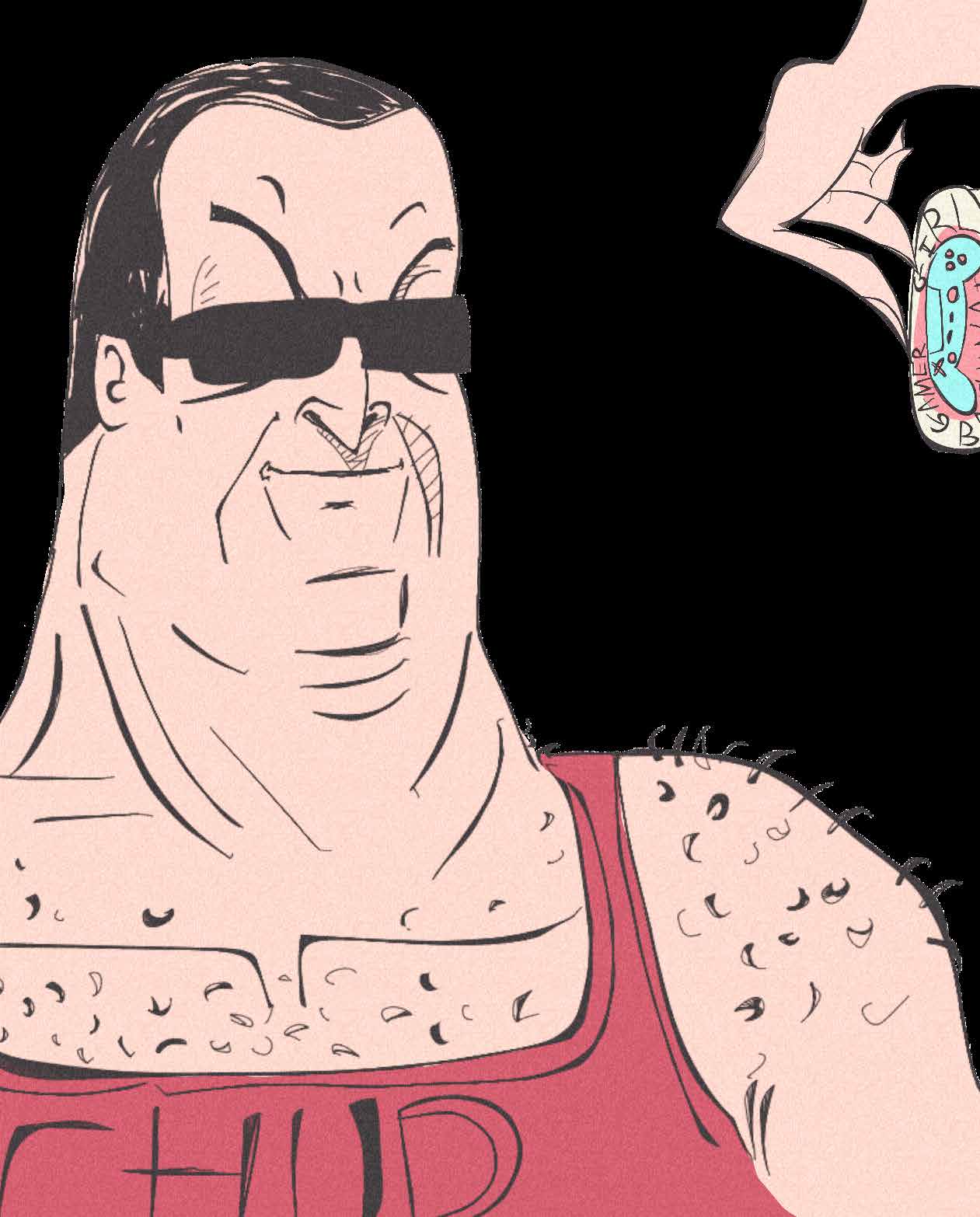
Last time, we met CaveChud, and we learned how incelldom has existed since the beginning of time. But it’s been about 80,000 years, and now, CaveChud has evolved. Hunched over in a dank basement, he fears sunlight, but thrives off the glow of his computer monitor. He sleeps on a pull-out couch covered in Cheetos and still drops his dirty laundry off at his mom’s house. His language skills are not much better off than his caveman predecessors, consisting mostly of grunts, groans, and Andrew Tate quotes. He has reached the pinnacle of male existence. He is now GigaChud. This is stage one of the incel life cycle.
To best understand GigaChud and others like him, it’s important to recognize what exactly an incel is. The literal definition of “involuntary celibate” does not apply in the modern age–contrary to what incels believe, feeling romantically rejected isn’t very uncommon at all. Millions of people could identify with this, but only a small percentage of them actually go on to lurk through 4chan boards. Incels only become incels when they self-identify with the incel subculture.
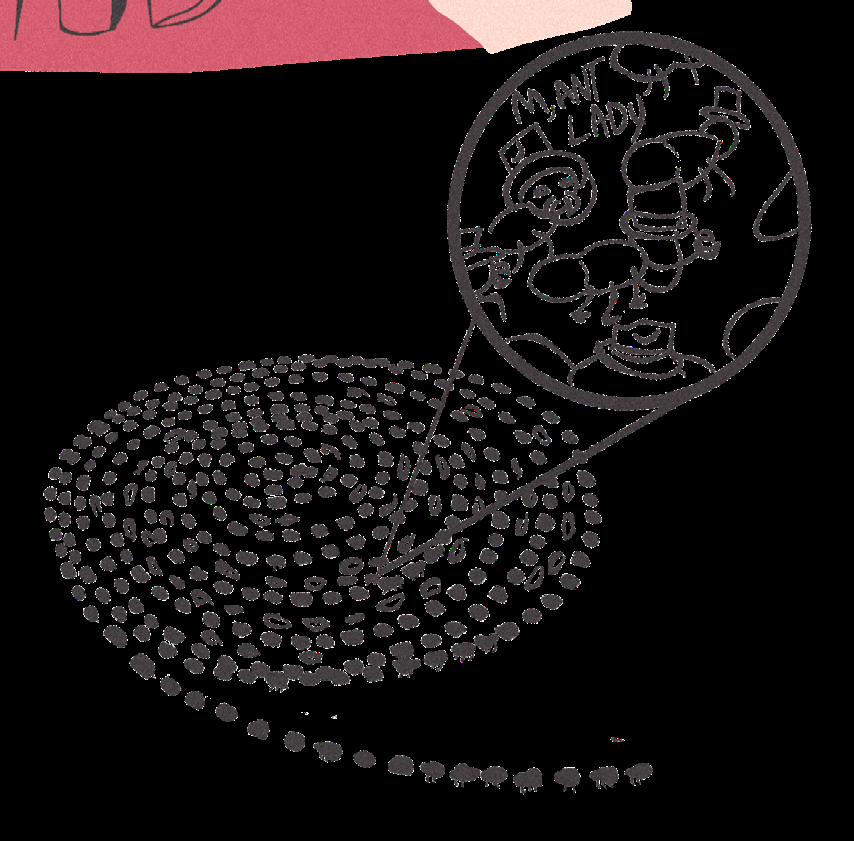
The modern incel community is “chronically online,” and the internet serves as an echo chamber for its despair. The incels follow an ever-spiraling path of self-destruction, like those ants that walk in a circle until they die. Eventually, most of them will become aware of this. They grow up, take more showers, and realize that wearing a fedora is not the same thing as having a personality. Many, however, can’t escape incelldom. They’ve dug their own graves, and now they can’t get out. But it’s not entirely their fault.
GigaChud lives in a very different world from his ancestors. The biggest difference between the Stone Age and modern society is our ability to commercialize anything. As long as he stays in the incel community, his ad algorithm is pumping the most unsavory advertisements into his online feeds, featuring content from industries that probably shouldn’t exist (and wouldn’t exist if it weren’t for incels). It’s easy for advertising companies to build a profile of the average incel. His favorite movie is Joker, and he’s paid for all the merch. He’s been considering investing in the latest goon cave technology. He’s probably into League of Legends, and while he’s spent thousands on games, his Steam account is mostly anime “games,” so he’ll click on whatever game ads dangle in front of him. GigaChud checks all the boxes.
Since the early days of the internet, the growth of the incel subculture has allowed many people and companies to monetize loneliness and incelldom. Like most people, incels are constantly using technology, leading to so many opportunities to see advertisements and so many places to purchase things. That way, they can replace human companionship with something artificial. Rather than adopting a cat or joining a celebrity-backed “religion,” incels have some very specific solutions in mind, which some people are more than willing to sell to them, even if it means monetizing some particularly unhinged things.
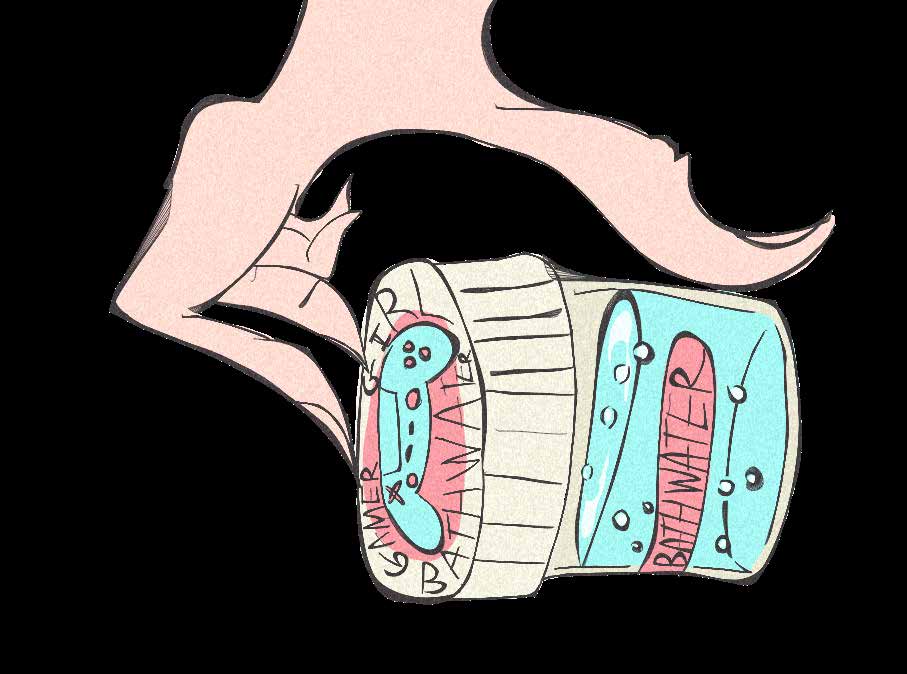
Perhaps the most obvious example of one of these business practices comes from the female streamer Belle Delphine, who sold her bathwater online. On Instagram, Delphine, who was nineteen at the time, announced the release of her Gamer Girl Bathwater, calling it “bathwater for all you thirsty gamer boys.” She was widely ridiculed online, but the bathwater sold out almost immediately, priced at around thirty dollars a jar. Concerned, PayPal confiscated her profits, but finally admitted defeat–Delphine had not technically broken any laws. In early 2024, they released the profits to Delphine, which added up to around $90,000. Delphine has since become known as a “thirst trap,” and sites like YouTube have repeatedly attempted to ban her content.
Often, it’s not real women who are luring in the attention of incels online. With the recent rise of AI, there are hundreds of apps and websites advertised as a way to replace real human interaction. Many people wouldn’t find much meaning in chatting with a bot they designed to look like an anime girl, but if you’re an incel, and your messageboard pals have tried their best to convince you that women are inherently evil, you’d be a lot more inclined to pursue an AI companion over a real-life one.
The most notable of these is the app Replika, which allows users to design an AI “friend” and chat with her. The app has surpassed thirty million downloads worldwide. The Italian government banned the app from collecting user data, accusing it of preying on vulnerable populations, particularly those in a “state of emotional fragility.” In fact, their marketing campaign seems to be targeting incels specifically; for instance, one Replika ad circulating on TikTok shows a clip of a young blonde woman in a revealing outfit, accompanied by the overlay text “You can have an AI girlfriend who will send you hot photos,” an ad that would not appeal to anyone with a healthy perception of human females.
Incels are what keeps 4chan alive, and 4chan is what keeps hundreds of millions of incels trapped in incelldom.
Fictional or fantasy characters are monetized as well, often as merchandise, but more often as commissioned artwork. While art is objectively a good thing for society, art geared towards incels isn’t such a benevolent creation. Online artists have been profiting off of loneliness for years, with millions of artists taking commissions for custom sexualized drawings, mostly revolving around various fictional characters, D&D creatures, furries, and their teachers. Over time, they’ve spent a worrying amount of money on this. Eventually, some of them wind up like the YouTuber Verbalase, who went down in internet history for allegedly paying $50,000 for one of these commissions, which featured an animated self-insert and Hazbin Hotel character Charlie Morningstar.
The further one falls into the incel lifestyle, the more likely they are to buy into the profitable industries pandering to loneliness. No one spends almost three years’ worth of rent on a video like that because they’re thrilled with how their life is going. Those who are less satisfied with their lives make great consumers, and of those people, incels are perhaps the most predictable–they are notoriously resistant to change and self-exploration, meaning the go-to way for them to improve their lives is by purchasing things. In many cases, this stereotype does hold up, with millions of incels buying anything from hyperrealistic anime dolls to Cameo videos of female celebrities complimenting them. As they spend more time, scroll through 4chan, and grow to hate women, their character development remains stagnant. It’s easier to purchase something than it is to make any real self-improvement.
Incel platforms now dedicate their advertising to anime torrenting and explicit free-to-play games. This is partially because no other advertisers would agree to sponsor these sites, but mostly because they know exactly who their audience is, and it’s effective. Incels are what keep 4chan alive, and 4chan is what keeps hundreds of millions of incels trapped in incelldom. The most basic rule of economics states that the market is dominated by supply and demand. In many cases, it’s not hard to increase supply. Demand, however, is much harder for corporations to control at will. If more incels stay depressed, insecure, and anxious about self-improvement, there’s a lot of demand. 4chan is aware of this, but the platform has developed its own consciousness, and there’s no defeating it now.
GigaChud isn’t in the healthiest place. He neglects his job applications. He plays Call of Duty for six hours at a time. He pays streamers to say, “Ice cream so good.” An addiction fills the void in his brain where serotonin once was. Connected to the incel community, GigaChud finds many ways to spend his money. Someone who appears to be an attractive young woman has been DMing him about cryptocurrency. One OnlyFans model will make a video saying “GigaChud, I love you” if he tips enough. He even messaged some FeetFinder girls to buy their used socks–not to do anything weird with them, but just, like, to have. He never meant to be a consumer, and yet, he consumes.