The Memes of Wall Street: To The Moon!
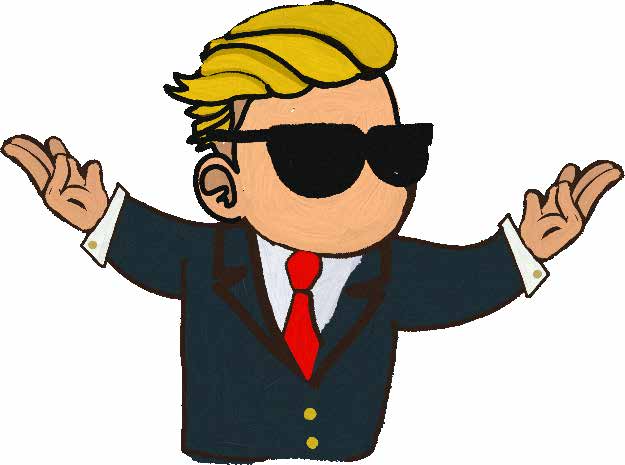
Investigating the Memes of Wall Street
By: Junaid Malik
The financial world has long been governed by fundamental analysis, technical indicators, and economic principles. But in recent years, a new player has emerged — one that trades in jokes, memes, and viral trends. What started as a platform for cat videos and internet humor has now become an influencer in the stock market: memes.
While they’ve always been a source of amusement for internet users, memes have proven to be an unexpected tool capable of moving stock prices, rallying traders, and, in some cases, making hedge funds sweat in their fancy suits.
The GameStop (GME) short squeeze of early 2021 was the most dramatic demonstration of this meme-fueled financial phenomenon. It wasn’t about earnings reports or stock analysis — it was about “Keep holding,” “To the moon!” and an army of investors armed with rocket emojis.
Memes may seem like mere online nonsense, but in the world of stocks, they can drive investor behavior in surprisingly serious ways. When a meme catches fire, it spreads faster than a cat video. The fear of missing out (FOMO) kicks in, and investors jump on board, often with little research — only to find themselves holding a stock that’s already risen 1,000 percent.

Another reason is that memes take complicated financial strategies and break them down into snackable content that even layman people with no prior knowledge of the stock market or how it works can get behind, joining the cause.
So what exactly happened in the GME short squeeze incident? GameStop, the once-proud video game retailer, was struggling. And who better to bet against a struggling company than hedge funds? By late 2020, they had shorted more than 100 percent of GameStop’s available shares. They were confident in their position, but little did they know, a band of meme-hungry retail investors was lurking in the depths of Reddit’s r/WallStreetBets, plotting their next move.
The meme-stock movement wasn’t just about stocks — it was about sending a message. Retail investors didn’t just want to make money; they wanted to break Wall Street’s power and have a little fun while doing it.
Enter the iconic phrase: “Keep holding.” The idea behind it was not to sell, no matter what. Hold on to those shares, because doing so would force short sellers to buy back at higher prices. Then there was the iconic “To the moon!” often followed by rocket emojis. This wasn’t just a stock forecast—it was the ultimate financial fantasy. GameStop wasn’t just going to rise; it was going to the moon.
Memes fueled an infectious optimism that sent GameStop’s stock soaring from under $20 in early January 2021 to an astronomical high of $483 by the end of the month. Forget earnings reports and fundamentals — these traders were fueled by memes and pure faith.
As GameStop’s price soared, things got heated. Hedge funds like Melvin Capital were on the verge of collapse, and investors were basking in their victory. But then came the plot twist: Robinhood, the popular trading app, restricted buying of GameStop on January 28, 2021, leaving investors feeling like they’d been slapped in the face.
The backlash was swift. It wasn’t just a financial fight anymore — it was a battle for fairness and freedom. Retail investors flooded Twitter with memes accusing Robinhood of being in cahoots with Wall Street. If nothing else, the movement had uncovered a giant flaw in the financial system — and it didn’t take much more than a few well-timed memes to make a point.
The GameStop incident didn’t just make headlines — it permanently changed how we look at the stock market. If you see a meme about a stock on Twitter, TikTok, or Reddit, chances are there’s a group of traders watching it closely. Meme stocks have now become market indicators, sometimes more reliable than even traditional metrics.
“The GameStop saga wasn’t just a financial event — it was a cultural moment. Memes and internet movements, once dismissed as childish humor, showed their ability to move markets, disrupt power structures, and, most importantly, entertain.”
The GameStop saga may have been the flashpoint, but it certainly wasn’t the only example of meme-driven market madness. In fact, GameStop set the stage for an entire wave of stocks that experienced similar viral surges, thanks to the antics of r/WallStreetBets and other online communities. Once the idea of moving stocks with memes and internet power caught on, it spread like wildfire.
Take AMC Entertainment, for instance. Just like GameStop, AMC was struggling, battered by the COVID-19 pandemic and the collapse of the movie theater industry. But when r/WallStreetBets got behind it, they saw an opportunity to squeeze the shorts. Retail traders sent the stock skyrocketing from about $2 in January 2021 to over $70 by mid-year. It wasn’t just about making money—it was about showing Wall Street who was in charge now.
Then there was BlackBerry, the once-dominant mobile brand that had long been relegated to the “relic of the past” pile. But thanks to Reddit’s meme magic, BlackBerry’s stock saw an unexpected resurgence, climbing from around $5 to nearly $29 in late January 2021. For many, it became the “next GameStop” as r/WallStreetBets fueled its meteoric rise with the same viral enthusiasm.
Dogecoin was another meme-driven phenomenon, but this time, the asset wasn’t even a stock — it was a cryptocurrency. Originally created as a joke, Dogecoin became the poster child for internet-driven speculation. Thanks to Elon Musk’s frequent tweets, combined with the collective power of meme lovers on Reddit, Dogecoin’s value surged from $0.01 in January 2021 to an all-time high of $0.73 by May. The “To the moon!” phrase that had already become synonymous with GameStop was now being used for Dogecoin, signaling that the internet’s influence was reaching beyond stocks and into the wild world of digital currencies.

The GameStop saga wasn’t just a financial event — it was a cultural moment. Memes and internet movements, once dismissed as childish humor, showed their ability to move markets, disrupt power structures, and, most importantly, entertain. It was the spark that ignited a much larger fire.
Whether it was AMC, BlackBerry, or Dogecoin, the meme-stock movement revealed the immense power of internet communities to challenge traditional market dynamics. Retail traders didn’t need the deep pockets of hedge funds or the analysis of Wall Street experts; all they needed were memes, camaraderie, and a little bit of chaos to send stock prices soaring. As we’ve seen, the meme-stock revolution is far from over — and who knows which stock will be the next to catch the meme magic?